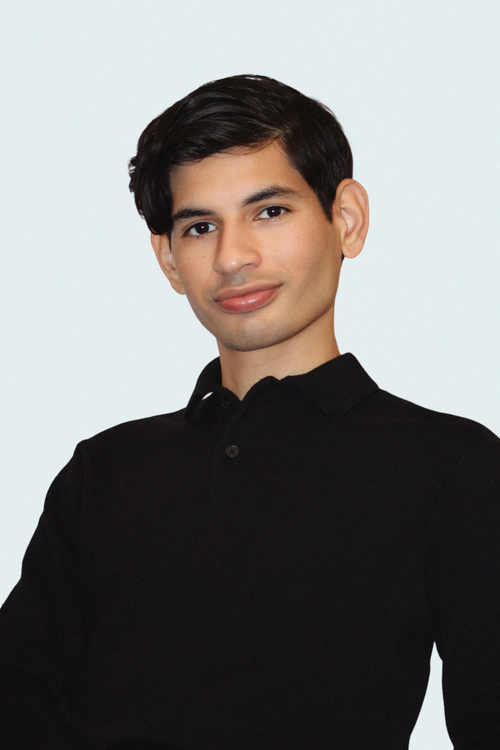
Jesus Sandrea
Paused
A house of opinions

COVER — “INTRODUCTION”

Jesus Sandrea
CHAPTER 1 — “The Interview”

Multidisciplinary designer working at the intersection of brand, product, and visual systems. Currently, designing experiences at GitHub.

AOrigin

What first pulled you toward this kind of work?

As a kid, my biggest dream was to become an automotive designer. Life had other plans, and my focus eventually shifted toward computer science. I started messing around with Java to try and build a playful idea I had for an app, but quickly realized I was in over my head with the code, so I pivoted to front-end development just as web apps were taking off.

I learned HTML and CSS and, to practice, I would reverse engineer websites I liked and build silly little games. Most of it was messy, but it taught me how the web worked and made front-end development feel creative in a way I hadn’t expected.
BApproach

What does a typical day look like?

My day usually starts around 6:00 or 7:00 AM. A couple of days a week, I kick things off with Hyrox training, but on other days, I just like to ease into the morning and putter around a bit. Since my best creative energy is in those early hours, I fiercely protect my time until about 11:00 AM for deep work and try to avoid early meetings if I can.

By mid-day, I'm ready for a screen break, so I'll step away to cook lunch, since I am not a fan of meal prepping. When I get back to my desk in the afternoon, I usually shift gears toward less demanding tasks and organizational work as my creative focus naturally tapers off.

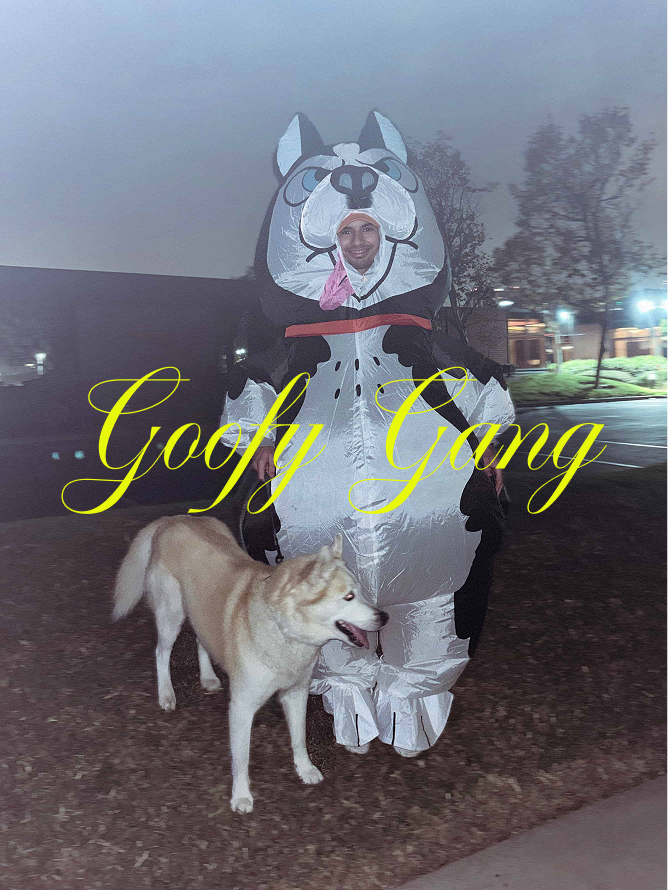
To officially wrap up the workday, I always take Aspen (my doggo) for a long walk around the neighborhood. After that, it's all about winding down with a good movie or show that I might be interested at the time, plus a little bit of prep to set myself up for the next day.

How do you approach a new brief before form starts to appear?

Over the years, my approach to product strategy has leaned heavily into the 'jobs to be done' framework. Before any visual form takes shape, I always try hit pause to figure out the root problem and what we actually need the design to achieve. As creatives, it is incredibly easy for us to veer off course, especially when there are exciting visual directions or references on the table.

Taking the time to really gain clarity and being very crisp about objectives grounds the project and keeps me focused on what actually matters. As I have grown into more senior roles, I have realized a huge part of the job is presenting and defending the vision. Having that early clarity gives me a strong, strategic narrative to lean on when it is time to bring stakeholders along and explain the 'why' behind the decisions.

What belief or principle underpins your practice?

I believe good design creates clarity without sanding away character. My practice sits right between systems and expression, so I am constantly balancing usability and scale with emotion. I don't think structure and personality have to work against each other, the best work usually has both. My goal is always to make things easy to understand and memorable.

Craft is also a big part of that for me. Especially now, with the industry push toward pure productivity and 'vibe coding', holding a rigorous, high-quality bar can sometimes feel like a lost art. So, having a deep respect for quality, detail, and intention matters even more today. It's not just craft for the sake of polish, but craft backed by understanding.

I also try to lead with strong opinions, held loosely. I want to have a clear point of view, care deeply, and push for the work to be better, but stay open enough to let the work change when the idea or context requires it.

CReset

What do you return to when you need to reset your eye?

On weekends, I really look forward to winding down. That might be playing video games or just doing house chores. It is simple, but it helps me fully disconnect for a bit. Lately, that has mostly been Battlefield 6.

I also spend time sim racing, which connects right back to my love for cars. I try to do a few actual track days a year, and because they are expensive, the sim rig gives me a way to practice and stay close to that feeling.

Nature is another big reset for me. Going to the beach, catching the sunset, or just getting lost somewhere quiet helps me slow down and think without trying too hard. And if all else fails, I always love a random night drive.

DForward

Looking ahead, what kind of work do you want more of?

The work I’m most interested in sits between brand, product, and systems, especially in places where AI is changing what software can be.

As models make execution faster and interfaces more adaptive, I think the role of design becomes less about producing isolated artifacts and more about shaping behavior: defining the point of view, creating structure, improving quality, and helping people understand, trust, and work with systems that are increasingly generative.

I’m interested in work where the visual language matters, but so does the intelligence underneath it. Where motion, latency, language, feedback, and interaction patterns all contribute to making complex systems feel clear, useful, and human.

I’m drawn to ambitious products that need taste, clarity, motion, and a strong quality bar. Work that can carry emotion and point of view without becoming hard to use, scale, or maintain. More than anything, the work should feel considered, distinctive, and memorable.

CHAPTER 2 — “Recognition”

Selected Awards & Recognition.

  • 6XVarious work.Honorable Mention — Awwwards
  • 1XMobile and interaction.Mobile Excellence — Awwwards
  • 2XE-commerce and retail.Webby Awards — Honoree
  • 6XEditorial and identity.UI, UX & Innovation Awards — CSSDA
  • Infinite mom love.She still doesn't get it, but she's proud